Dorval and the West Island · Tiohtià:ke
Eco de l’OuestLow-mow lawns and eco gardens Book a consult
← All plants
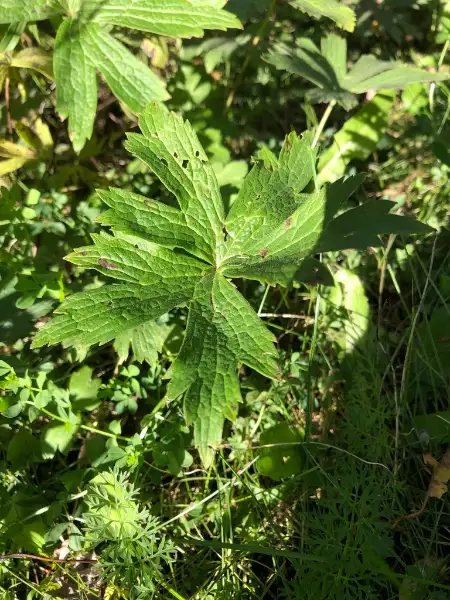
Canada anemone

Photo: Andrew Sebastian, CC BY 4.0, via iNaturalist · Sunset Beach Rd, Richmond Hill, ON, CA, 2021-10-19

Flowers and groundcovers · Native to Quebec

Canada anemone

Anemone canadensis Ranunculaceae

Canada anemone is a low perennial with deeply lobed, toothed leaves and white flowers made of about five petal-like sepals around a boss of yellow stamens. It spreads quickly by underground rhizomes into a dense, weed-suppressing patch. Flowers open from late spring into summer and are followed by round seed heads. It dies back in fall.

Latin
Anemone canadensis
L. · family Ranunculaceae · also Anemonastrum canadense (L.) Mosyakin (the name VASCAN now accepts)
English
Canada anemone
Canada windflower, meadow anemone, round-headed anemone, round-leaf thimbleweed
French
Anémone du Canada
Kanien'kéha (Mohawk)
Name not yet recorded
The Greenbelt Indigenous Botanical Survey species list has no anemone entry, and no other citable Kanien'kéha name was found.
Anishinaabemowin (Ojibwe)
mîdewidjiˈ bîk
Smith (1932, p. 382) records this name, glossed 'medicine lodge root', for Canada anemone among the Pillager Ojibwe. Spelling is Smith's 1932 transcription, not modern double-vowel Ojibwe.

Through the year

Canada anemone in every season.

Story

The history of canada anemone.

Canada anemone grows in moist meadows, thickets, stream banks and lake shores across Canada, the central and eastern United States and the mountains of New Mexico. VASCAN lists it as native in every Canadian province and territory except Yukon, including Quebec. It spreads by rhizomes and can become aggressive in favourable conditions.

Linnaeus described it in 1768 as Anemone canadensis, and Sergei Mosyakin moved it to the genus Anemonastrum in 2007 to keep genera monophyletic. The sap is a skin irritant, as in other buttercup relatives. Wikipedia reports that Indigenous peoples used it medicinally, with Plains peoples especially valuing the root.

Sources: Wikipedia: Anemonastrum canadense · VASCAN: Anemonastrum canadense · Lady Bird Johnson Wildflower Center: Anemone canadensis

Characteristics

The plant at a glance.

Height30 to 60 cm
SpreadSpreads indefinitely by rhizomes
HabitRhizomatous, patch-forming perennial
Bloom timeLate May to July
FlowersWhite, about 5 petal-like sepals around 80 to 100 yellow stamens
FoliageDeeply divided, toothed basal leaves 4 to 10 cm by 5 to 15 cm on long stalks
FruitRounded heads of achenes
HardinessZone 3
LightFull sun to part shade
MoistureMoist; tolerates sandy soil
Spread behaviourRhizomes; can become aggressive
Native rangeAcross Canada and the central and eastern United States
Quebec statusNative

In the Flight Path Garden

Where it grows here.

ZonesHügelkultur Garden
How many99
Planted2023 and 2024

A vigorous groundcover in the Hügelkultur Garden that fills bare ground on the mounds with early flowers and keeps weeds down.

Wildlife

Who uses it.

  • Small bees and flies visit the open flowers for pollen.
  • The plant is poisonous when eaten and irritating to skin, so deer and rabbits usually leave it alone.
  • Seeds mature in summer and the dense foliage shelters ground insects.

Sources: Lady Bird Johnson Wildflower Center: Anemone canadensis

Care

What to do, season by season.

Spring

Pull or edge the patch back to where you want it as shoots appear. Use gloves, because the fresh sap can blister skin.

Summer

Water in drought to keep leaves fresh. Deadhead if you want to limit self-sowing.

Fall

Divide crowded clumps in fall or early spring, which also restores flowering.

Winter

Fully hardy. Leave the stems as winter cover and cut them back in early spring.

Relations

Knowledge and use.

Wikipedia records that Indigenous peoples used Canada anemone medicinally, as an astringent and styptic for wounds, sores and nosebleeds and as an eyewash, and that Plains peoples particularly valued the root. No Kanien'kéha or Anishinaabemowin source was found for this plant.

Source: Wikipedia: Anemonastrum canadense