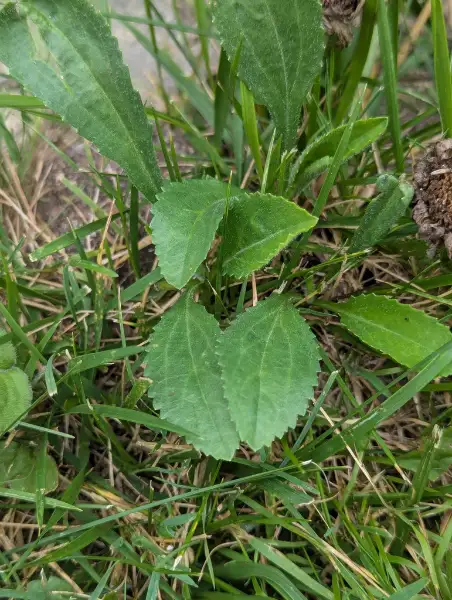
Oxeye daisy grows in meadows, pastures, roadsides, lawns, forest openings and railway embankments, and is a plant of open, sunny ground. It spreads by seeds, with a mature plant producing thousands, and by rhizomes. The seeds can stay viable in soil for up to forty years, which makes it persistent once established.
Jean-Baptiste Lamarck formally described the species in 1778. The Latin name combines Greek words for white flower with vulgare, meaning common. It is the national flower of Denmark and Latvia, and the unopened flower buds have been marinated like capers.